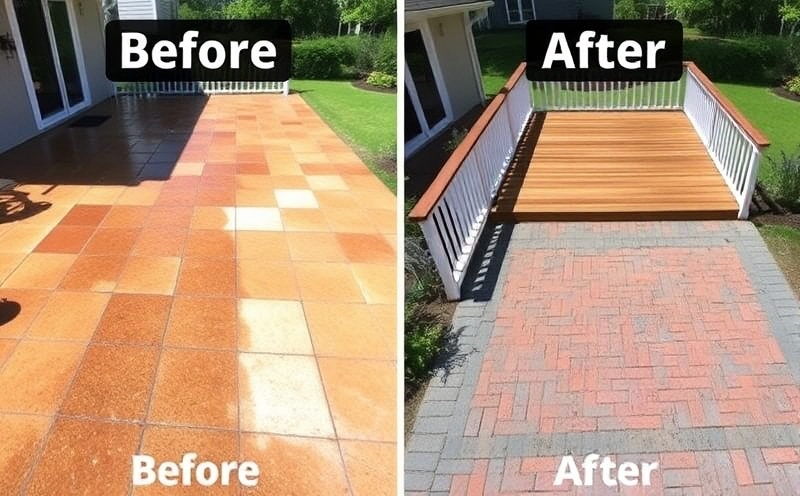
Pressure washing is one of the fastest ways to transform your property’s appearance. Whether it’s a grimy driveway, algae-covered deck, or dirty patio, a pressure washer can restore surfaces to like-new condition. Here’s your complete guide to pressure washing safely and effectively.
Pressure Washer Basics
PSI (Pounds per Square Inch): The water pressure force
- Soft surfaces (wood, vinyl): 1500-2000 PSI
- Moderate surfaces (concrete, brick): 2500-3000 PSI
- Tough surfaces (industrial stains): 3500+ PSI
GPM (Gallons per Minute): The water flow rate. Higher GPM means faster cleaning.
Electric vs. Gas:
- Electric: Quieter, lighter, good for residential use
- Gas: More powerful, better for tough jobs
Safety First
- Always read the manual before operation
- Wear safety gear: Closed-toe shoes, eye protection, gloves, hearing protection
- Test pressure on inconspicuous area first to verify it won’t damage
- Never aim at people, animals, or windows
- Watch for electrical hazards with overhead power lines
- Brace yourself against kickback from the nozzle
- Never leave running washer unattended
Step-by-Step Pressure Washing
Step 1: Prepare the Area
- Remove obstacles, loose items, and parked cars
- Clear debris (leaves, rocks) from surface
- Protect delicate plants with cloth or plastic
Step 2: Apply Cleaner (Optional)
- Some jobs benefit from cleaning solution
- Apply with low pressure, let sit 15-20 minutes
- Rinse thoroughly before high-pressure wash
Step 3: Spray Technique
- Start at low pressure, increase as needed
- Maintain 12 inches distance from surface
- Use sweeping motions, not stationary spraying
- Always spray at an angle to surface
- Work top to bottom to prevent re-soiling
Step 4: Dry Time
- Allow surfaces to dry before use
- Most surfaces dry in 1-2 hours
- In humid conditions, allow extra drying time
Common Surface Guide
Concrete: 3000 PSI, wide fan tip
- Remove stains, dirt, and mildew
- Multiple passes for heavy staining
Wood Deck/Dock: 1500 PSI, wide fan tip
- Lower pressure prevents wood damage
- Use slow, careful movements
- May need chemical treatment for algae
Vinyl Siding: 1500 PSI maximum
- Use wide fan tip
- Keep at 12+ inches distance
- Test small area first
Brick/Stone: 2500-3000 PSI
- Wide fan tip
- Can use slightly higher pressure
- Watch for mortar damage
Driveway: 3000+ PSI
- Can handle higher pressure
- Multiple passes for stains
- Hot water helps with oil stains
Materials to Use/Avoid
Safe for Pressure Washing:
- Concrete, brick, stone
- Metal (with care)
- Most vinyl and plastic
Avoid or Use with Caution:
- Soft metals (aluminum, copper)
- Wood (use low pressure)
- Delicate plants
- Painted surfaces
- Electrical outlets
Cleaning Solutions
- Deck cleaner: For wood restoration
- Concrete cleaner: For driveways and patios
- Mildew/algae killer: For roofs and shaded areas
- Degreaser: For oil and grease stains
Always use pressure-washer-approved solutions.
Troubleshooting
Uneven cleaning: Check nozzle isn’t clogged, maintain consistent distance and speed
Not enough power: Use higher PSI, wider nozzle, or let cleaner work longer
Damaging surface: Lower PSI, increase distance, use wider nozzle
When to Hire a Pro
Some jobs are best left to professionals:
- Roof cleaning (safety risk)
- Second-story exterior
- Delicate surfaces
- Extensive property cleaning
Maintenance After Washing
- Apply sealant to concrete every 2-3 years
- Treat wood with appropriate sealer
- Inspect surface for damage revealed by cleaning
- Perform touch-up power washing annually
Need professional pressure washing? Grandmas Boys Handy Man Service handles all outdoor cleaning, restoration, and maintenance. Contact us for a quote!