A fresh coat of paint can completely transform a room. Whether you’re refreshing tired walls or adding a bold new color, learning to paint like a professional doesn’t require hiring someone. Follow these seven steps for a professional-quality finish.
What You’ll Need
- Drop cloths or plastic sheeting
- Painter’s tape (high-quality, low-stick)
- Primer and paint
- Paintbrushes (2” for edges, 3-4” for larger areas)
- Paint rollers with extension poles
- Paint tray and liner
- Putty knife for prep work
- Ladder or step stool
- Stir stick
Step 1: Prepare the Room
Remove or cover furniture and fixtures. Use drop cloths to protect floors and baseboards. Open windows for ventilation—painting requires good air circulation.
Step 2: Prep the Walls
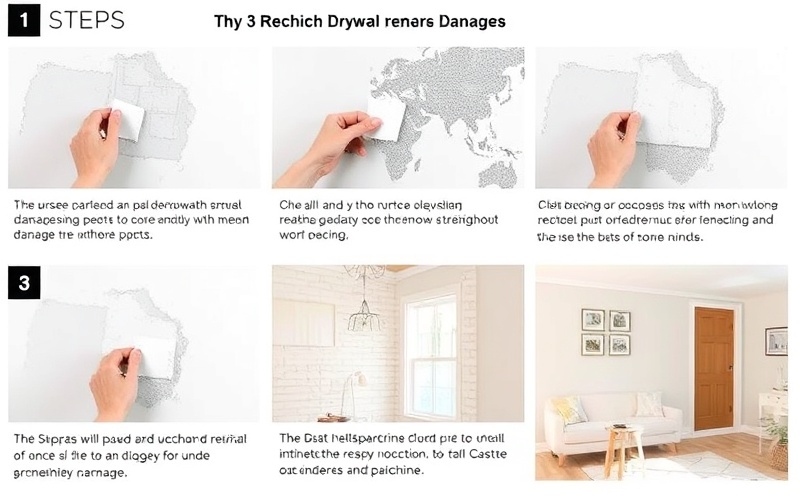
Clean walls with a damp cloth and let dry completely. Fill holes and cracks with spackling compound using a putty knife. Sand any rough spots smooth with 120-grit sandpaper.
Step 3: Prime (Optional But Recommended)
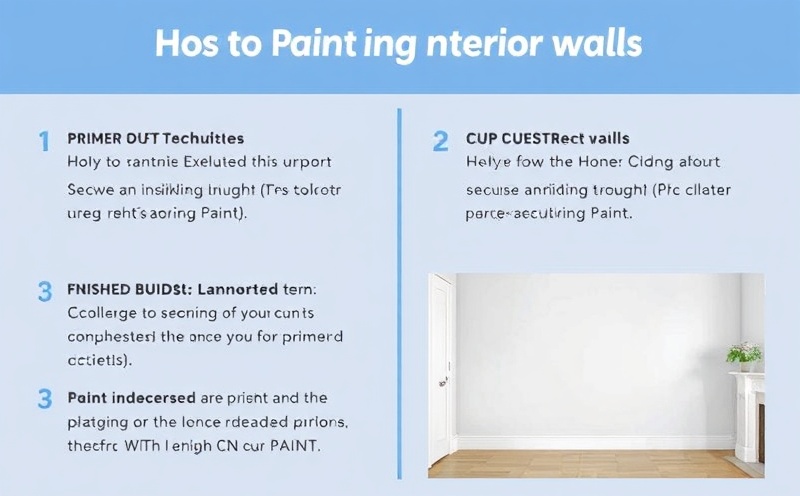
Apply primer to bare drywall, new spackling, or when changing dramatically darker colors. Primer creates better adhesion and coverage, often reducing paint coats needed.
Step 4: Apply Painter’s Tape
Use painter’s tape along baseboards, trim, and ceiling edges for clean lines. Press firmly to prevent paint bleeding underneath.
Step 5: Cut In the Edges
Using a 2” brush, paint a 2-3 inch border around the room perimeter. This “cutting in” ensures even coverage and prevents visible roller marks at edges.
Step 6: Roll the Walls
Pour paint into a tray. Load your roller and apply paint in a “W” pattern, then fill in the W without lifting the roller. This distributes paint evenly. Use steady, overlapping strokes.
Step 7: Apply Second Coat
Wait 2-4 hours before applying a second coat. Most paints need two coats for even, professional coverage.
Pro Tips for Success
- Invest in quality paint—budget paint requires more coats
- Paint in natural light to catch imperfections
- Don’t skimp on primer—it saves money overall
- Keep edges wet to avoid lap marks
- Remove tape while paint is slightly tacky for clean lines
Common Mistakes to Avoid
- Painting over dirty or glossy surfaces (they won’t adhere properly)
- Using cheap brushes and rollers (they shed bristles)
- Applying paint too thickly (causes drips and uneven drying)
- Not protecting surrounding areas adequately
Ready for a bigger project? Contact Grandmas Boys Handy Man Service for professional painting of entire rooms or exterior work!