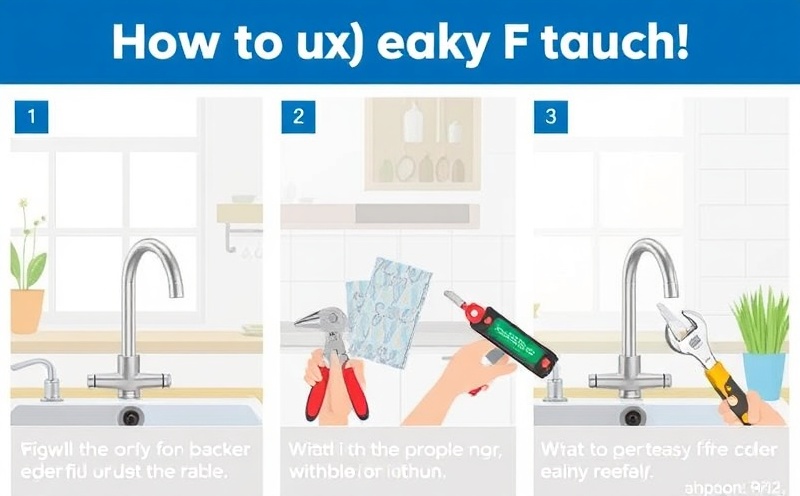
A dripping faucet is one of the most common household problems—and it’s easier to fix than you might think! Not only can a leaky faucet waste hundreds of gallons of water annually, but it can also drive up your water bill. Whether it’s a kitchen or bathroom faucet, we’ll walk you through the repair process.
What You’ll Need
Before you start, gather these tools:
- Adjustable wrench or pipe wrench
- Screwdriver (flathead and Phillips)
- Replacement washer kit (available at any hardware store for under $5)
- Bucket or towel (to catch water)
- Optional: faucet repair kit specific to your faucet type
Step 1: Turn Off the Water Supply
The first step is always safety. Locate the shutoff valve under your sink and turn it clockwise to stop water flow. If you can’t find the shutoff valve under the sink, you may need to turn off the main water valve to your house.
Step 2: Open the Faucet
Open the leaky faucet to release any remaining water pressure. This prevents sudden bursts of water when you disassemble the faucet.
Step 3: Disassemble the Faucet Handle
Use your screwdriver to remove the handle. You may need to pry off a decorative cap first. Keep all screws and parts organized in a bowl so you don’t lose them.
Step 4: Remove the Packing Nut
Using your wrench, carefully unscrew the packing nut located beneath the handle. Turn it counterclockwise—don’t force it if it’s stuck.
Step 5: Replace the Washer
Inside you’ll find a washer (a small rubber or plastic disc). Remove it and replace it with a new one of the same size. This is usually the culprit causing your leak!
Step 6: Check the Valve Seat
While you have the faucet open, inspect the valve seat (the surface where the washer sits). If it’s corroded or damaged, you may need to replace it or use a valve seat dresser to smooth it out.
Step 7: Reassemble the Faucet
Put everything back together in reverse order:
- Place the new washer
- Screw the packing nut back in
- Reattach the handle
- Replace any decorative caps
Step 8: Test Your Work
Turn the water supply back on and check if the leak has stopped. If it still drips, you may need to:
- Replace the valve seat
- Try a larger or smaller washer
- Call a professional plumber
When to Call a Pro
If your faucet continues leaking after these steps, or if you’re uncomfortable performing the repair, it’s time to call a handyman. Sometimes the internal structure of the faucet is damaged beyond a simple washer replacement.
Prevention Tips
- Check faucets regularly for drips
- Don’t over-tighten faucet handles (this damages washers faster)
- Install an aerator to reduce water pressure and extend faucet life
- Consider upgrading to a newer, water-efficient faucet model
Cost Savings
Fixing a leaky faucet yourself costs just a few dollars for supplies and takes 15-30 minutes. A professional plumber might charge $100-200 for the same job. By fixing that drip, you could save 3,000+ gallons of water per year!
Need help with a more complex plumbing issue? Grandmas Boys Handy Man Service is here to assist with any home repair, no matter the size. Give us a call today!